Last week, a student asked me about choosing between an equity research role and waiting for an investment banking opportunity. I thought about it like my nephew would think about a chess position. The answer became obvious.
So this week is all about what chess teaches about career strategy that most finance professionals completely miss.

The Opening Mistake

Most analysts optimize for the next move, not the position 10 moves later. That's like a chess beginner who captures a pawn and doesn't see the checkmate coming.
Let me tell you about a student. Got a job, then worked with me, then moved to another role. Started at 6-7 lakhs, got hikes to 11 lakhs. Sounds great, right?
Except his work is absolutely not fungible. Can't move anywhere else. He has EMIs now, can't take a pay cut. For that salary with that non-transferable experience, he's not placeable. Another student earns 30-40 lakhs. Same issue. Not placeable anywhere else.
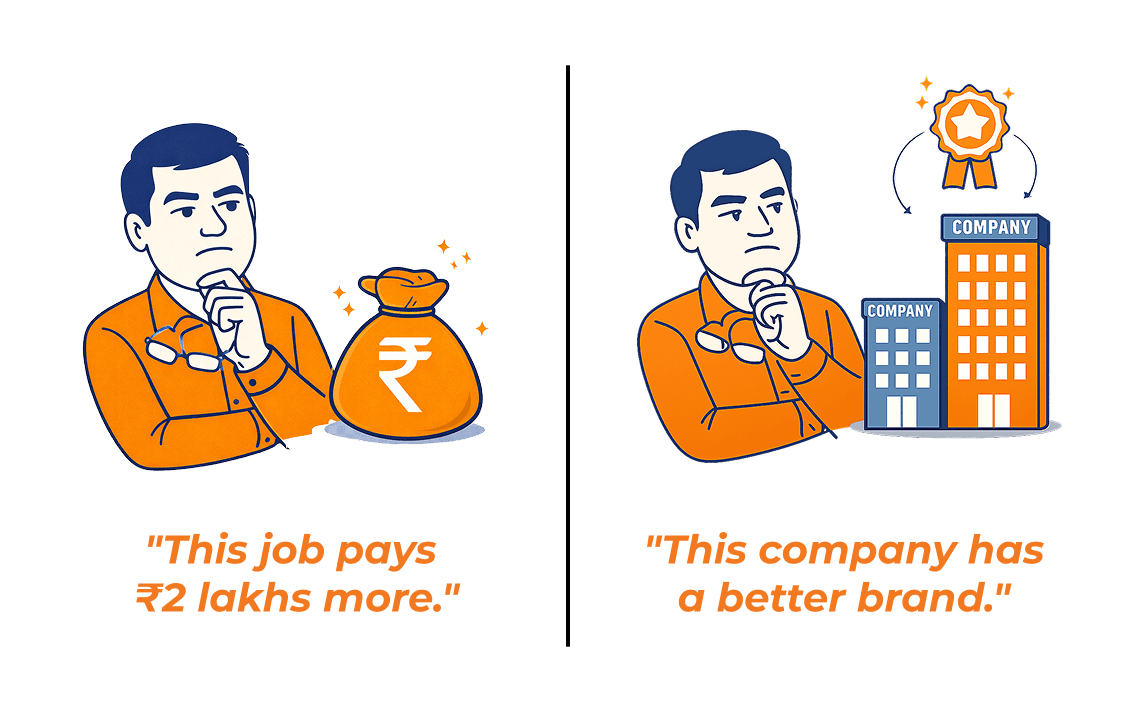
In chess, you evaluate by what position this leaves you in. Same with careers. What position will you be in five years from now?
Principle 1: Build Your Center
In chess, controlling the center gives you options. In careers, the problem isn't specialization. It's doing routine, process-oriented work without understanding concepts.
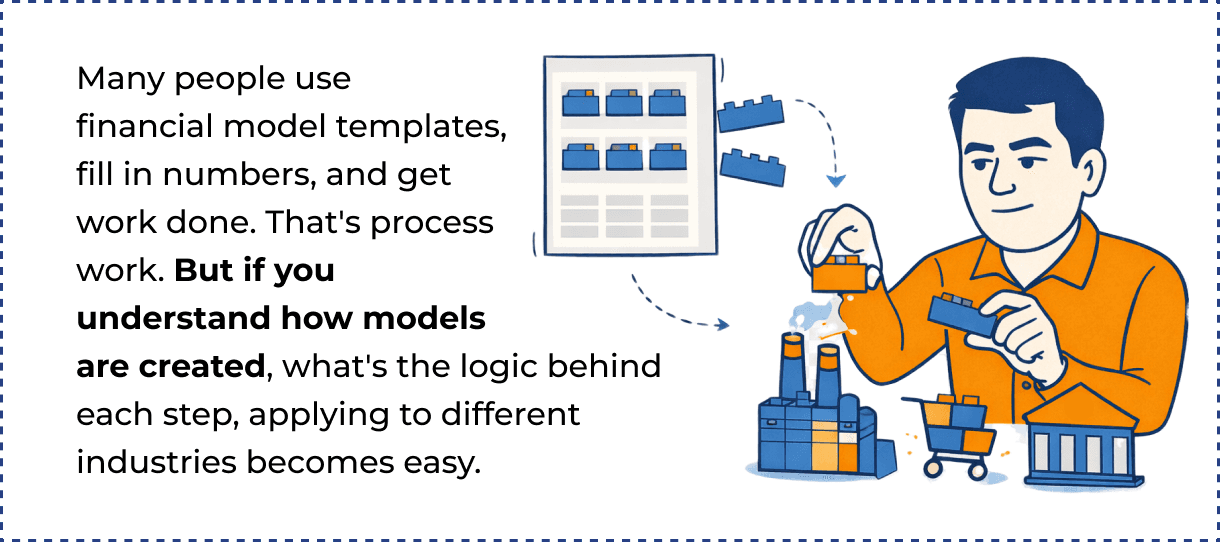
My student Vatsal Kejriwal does derivative trading. He's doing fabulously because trading strategies apply to different markets and products. He understands logic, upskills continuously, learning Python, understanding consumer psychology, and reading beyond CFA.
Specialized roles are fine if you understand logic.
Principle 2: Develop Your Pieces Before Attacking
Beginners attack immediately and move their queen early. They get destroyed because other pieces aren't developed.
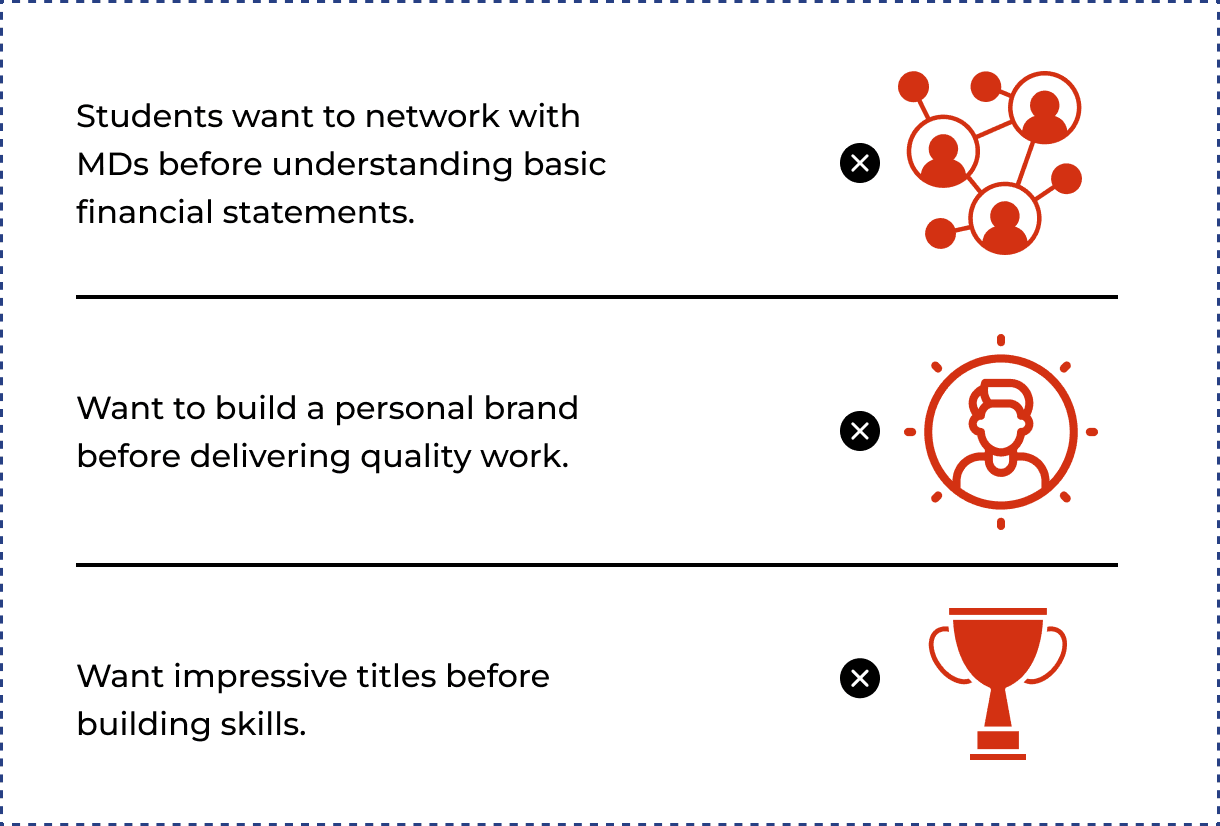
But why would someone network with you? What are you bringing to the table? You connect with someone today, tomorrow you're asking for work or favors. You don't wait.
There's something called the marshmallow experiment - delayed gratification matters. There's this book by Adam Grant, Give and Take, that talks about networking properly.
And personal branding, social media content becomes permanent on your profile. People post incorrect stuff without depth. Over-promising and under-delivering.
Develop your pieces first. Build real skills. Then networking and personal brand will mean something.
Principle 3: Every Move Should Improve Your Position
In chess, never make a move that doesn't improve your position. Not every move needs to be aggressive. Some are about better positioning. In careers, not every job needs to be a big jump.
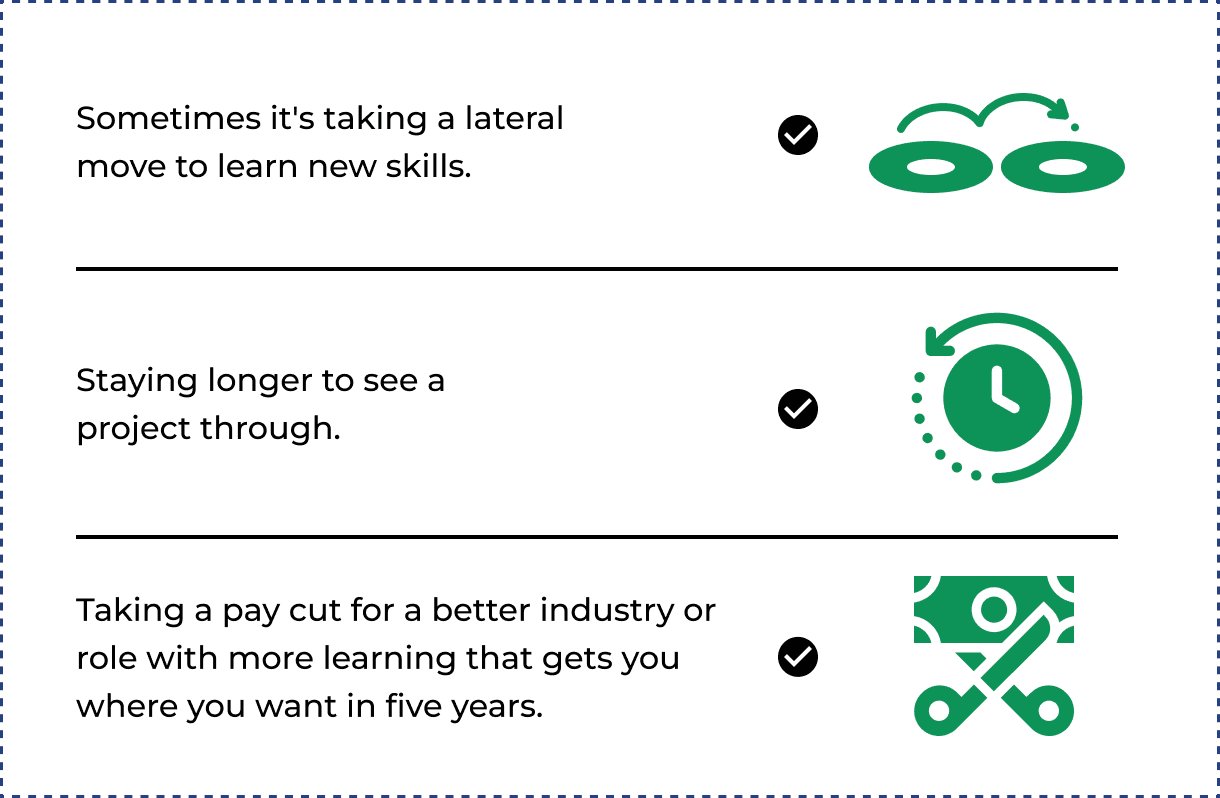
Learn everything your colleague does. What your junior does. What your boss does. Holistic understanding. Don't be the "it's 5 o'clock, I'm leaving" person. Sometimes declining a promotion that doesn't fit long-term strategy is smartest.
The question isn't "does this look impressive?" It's "does this improve my position?"
The Sacrifice Play

In chess, sometimes you sacrifice material for position. Beginners never sacrifice. Advanced players know losing something now creates winning positions later.
I made this move. In December 2012, started teaching at my dining table. In 2013, moved to Delhi for a job. Was teaching at an institute in Calcutta before. The Delhi job was genuinely good, salary, stable career, a learning role. I enjoyed it.
But seeing people double my age enjoying teaching, work-experienced people engaging with material, I thought I needed to get back to Calcutta and try this properly.

It gave me an understanding of the entire landscape, students, colleges, corporates, skill gaps, and what people need. Freedom to do what I enjoy. I love teaching. Love my students. Love my team. We have 110 people building something meaningful.
Been 13 years since December 2012. About 11-12 years since coming back in 2014.
Most people never make sacrifice plays. They optimize for never losing anything. So they never make big positional gains.
The Endgame Thinking
Chess masters think about the endgame from move one. Beginners focus on the opening. Intermediates focus on the middle game. Masters are already thinking: "How does this lead to a winning endgame?"
In careers, most people have no endgame strategy. They're in their 20s chasing the next promotion. In their 30s, chasing the bigger salary. In their 40s, suddenly realizing: "Wait, what am I actually building towards?"
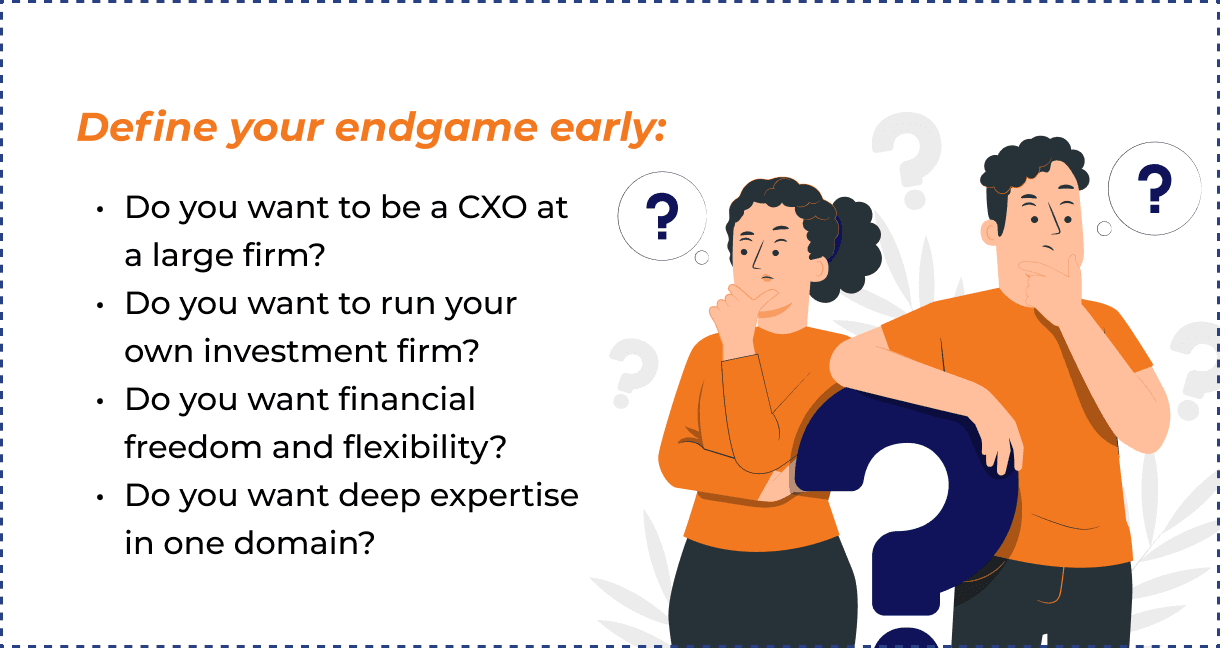
Different endgames require different strategies from the beginning. A student told me, "Bhaiya, I want work-life balance AND be CEO of a bank." That's like "I want aggressive chess AND never risk pieces." Doesn't work.
Pick your endgame. Play accordingly.
The Time Pressure Trap
In chess, time pressure makes you stupid. You start making obvious blunders. You stop calculating. You just react. Career time pressure does the same.
- "I'm 25, I should be a manager by now."
- "I'm 30, I need to be a director."
- "Everyone else is ahead."
That artificial time pressure makes you take wrong moves. Accept bad offers. Jump to companies that don't fit. Optimize for speed over position.
The best chess players stay calm under time pressure. They trust their preparation. They make quality moves even when the clock is running. Same with careers. Trust your strategy. Don't make panic moves because of arbitrary timelines.
The Bottom Line

Next time you're evaluating a career decision, ask yourself these chess questions:
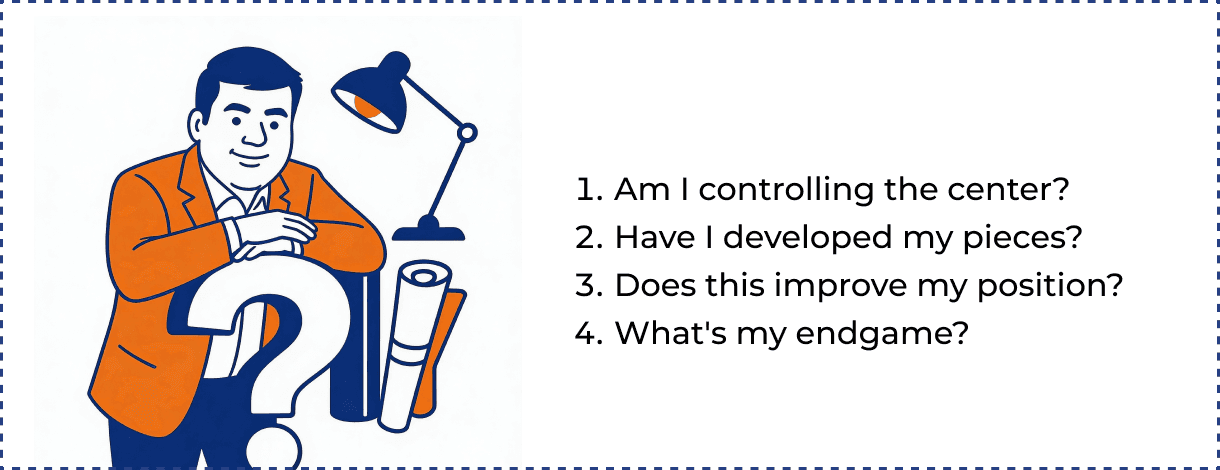
Your career is a long game. Play it like a chess master, not a beginner.
Until next week,
Aswini Bajaj