Here's what I've learned after 13 years of teaching and watching thousands of careers play out.
Your parents are often right, just not for the reasons they think they are.
Let me explain, because this might change how you've been ignoring the advice.


The Stable Job Advice

"Get a stable job first before doing anything risky."
Students hate this advice. They want startups. Equity over salary. Fast growth and exciting titles. They think stable jobs are for people without ambition.
But here's what I've observed over the years.
The problem isn't startups versus corporates. In today's world, startups can be excellent learning grounds. The real problem is when people jump into entrepreneurship or trading with overconfidence, wrong social media notions, and without having worked and learned on someone else's money first.
The key is choosing the best opportunity you're getting. Not being too fussy about the perfect role. But also not being irrational just because you want to be different or contrarian.
What matters most? Learning under good managers. Being organized even in chaotic environments. Being disciplined.
These are your years to work very hard. My parents still give examples of people in their 70s working hard and being disciplined, so why can't I?
So why are parents accidentally right?
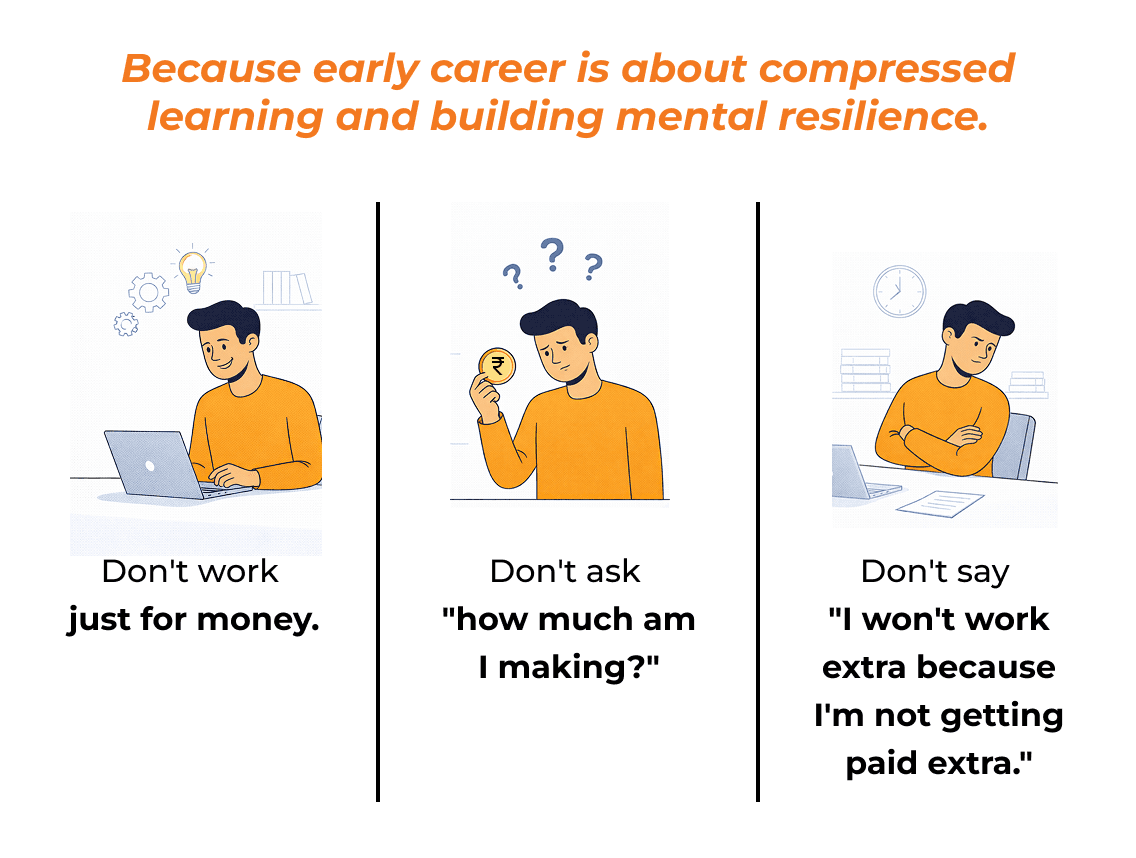
Instead of asking "how much am I making?", ask "what am I bringing to the table?" Napoleon Hill talks about this in Think and Grow Rich. It's about becoming an asset yourself.
I've seen this in my own journey, too. My parents pushed for stability and education. I knew I needed to do a job after my education. Stability and growth are both needed, and you need to work very hard for them.
I was teaching in Delhi along with my job. I had done market testing already. And I wanted to try teaching full-time before my dad retired, when I didn't have as much financial burden. This wasn't me wasting time. It was learning and testing simultaneously.
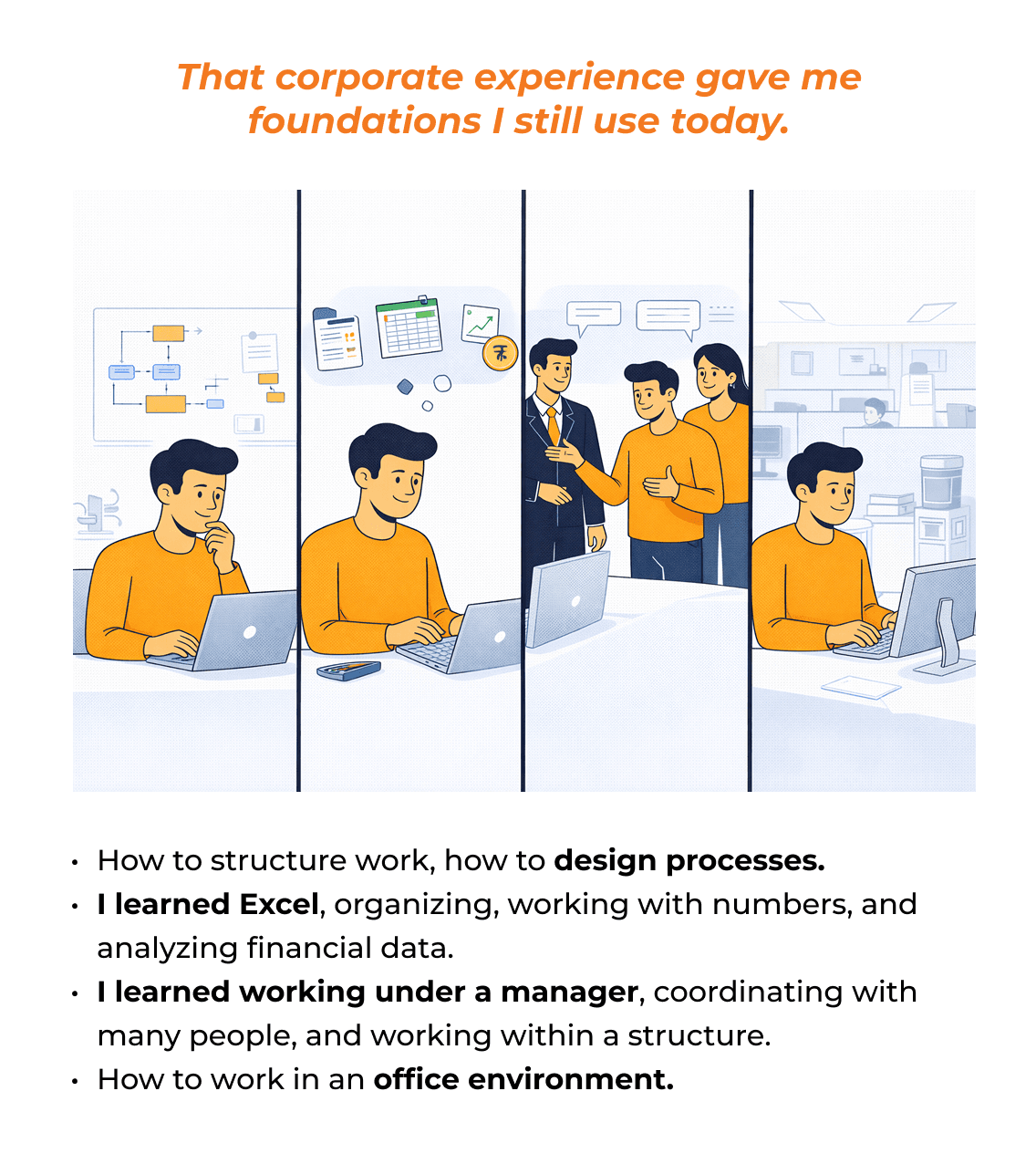
A lot of things that seemed basic but were crucial.
The Education as Fallback Advice

"Education is important. It's your fallback if things don't work out."
Students think this is pessimistic. Why plan for failure?
I knew from class 9 that I had to build my career myself. My parents didn't have family business or connections to give me. Focus on education for my siblings and me was always there. Not just from a vocational point of view, but this was a part of life, vidyarthi jeevan, student life.
Everyone in different phases had a role and responsibility. As children, ours was not to earn but to study.
What that "fallback" actually gave me:
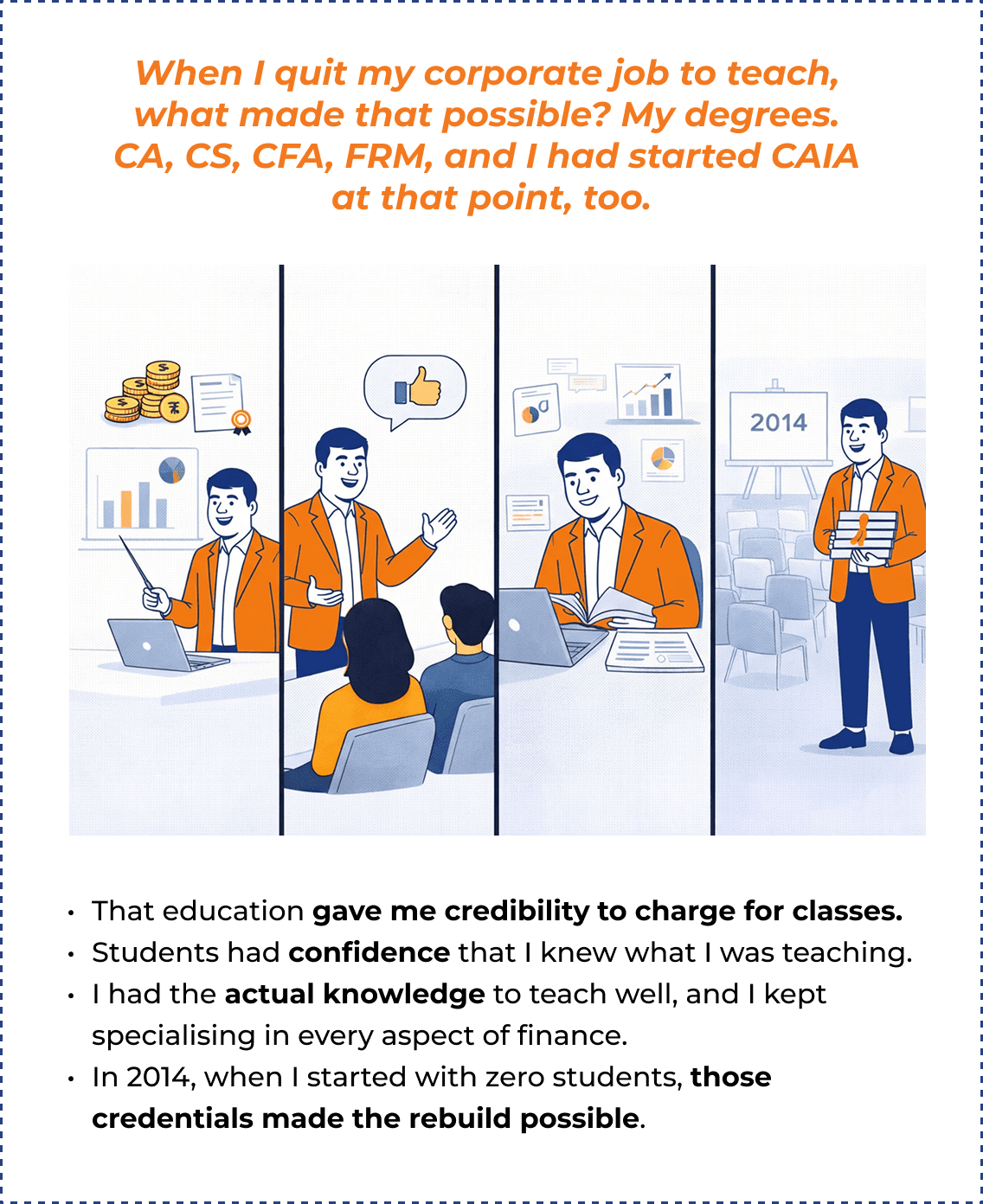
Education wasn't my fallback. It was my foundation, my credibility, my differentiation. Your parents calling it a "fallback" undersells it, but they're directionally right.
The "Jitna Chadar Hai Utna Pair Failao" Principle

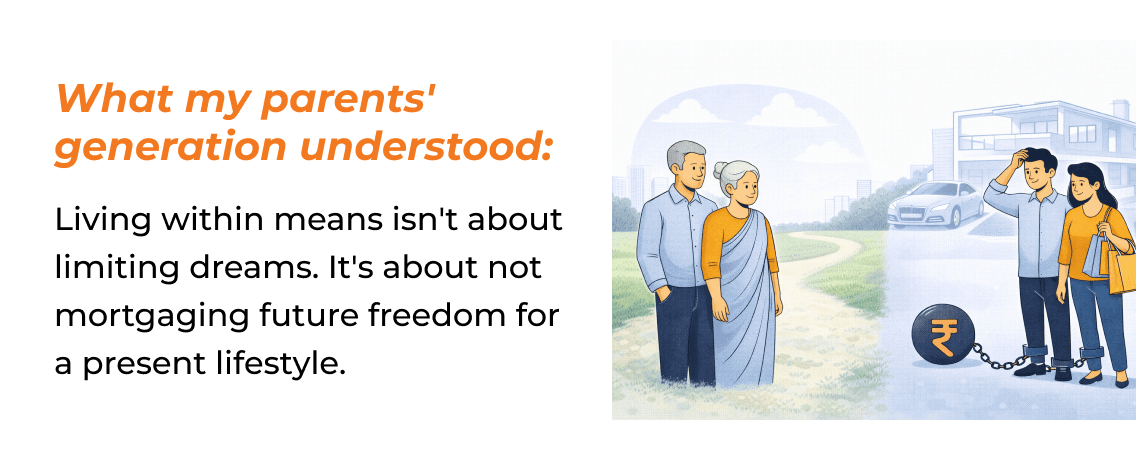
"Stretch your legs only as far as your blanket reaches."
Students think this is limiting thinking. Dream big, spend big to make it big, right?
Wrong. Look around at people in their 30s drowning in EMIs. Cars they couldn't afford. Houses that stretched their budget. Loans for weddings. Vacations on credit cards. Living future income today.
When I started teaching, I didn't rent a fancy office immediately. I taught from my dining table. When we expanded to 110 people, each expansion was funded by existing revenue, not aggressive loans. We are bootstrapped and completely debt-free.
That principle gave me something priceless - I could make long-term decisions without financial desperation. I could say no to partnerships I didn't like. I could invest in the app and tech because I wasn't drowning in debt.
The real lesson: Build wealth, not lifestyle. Two completely different things. One gives you freedom, the other traps you.
The Shower Before Eating Thing

Beyond career advice, there are other things our parents taught us that seemed random but had logic behind them.
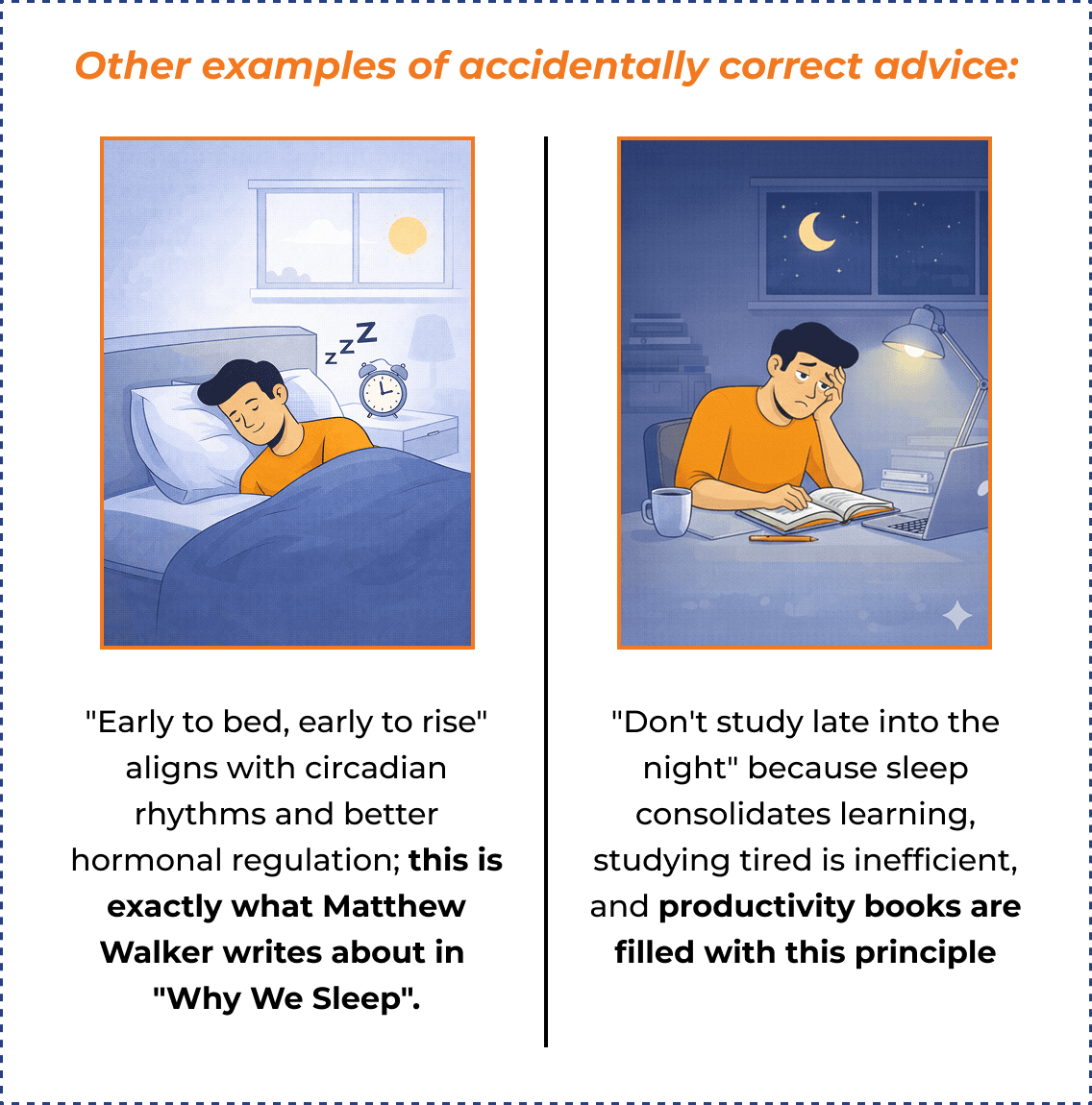
My parents always insisted we shower before eating. I thought it was just cultural, maybe religious. The idea was: take a bath, fold your hands in prayer at the temple, and then you'll get breakfast.
Turns out there's science behind it. Showering cools your body temperature. When you cool down, your gastric juices work more efficiently. Better digestion.
Your parents aren't scientists. But they're passing down patterns that survived because they work, even if the explanation is wrong.
The "Do Your Best, Don't Worry About Results" Advice

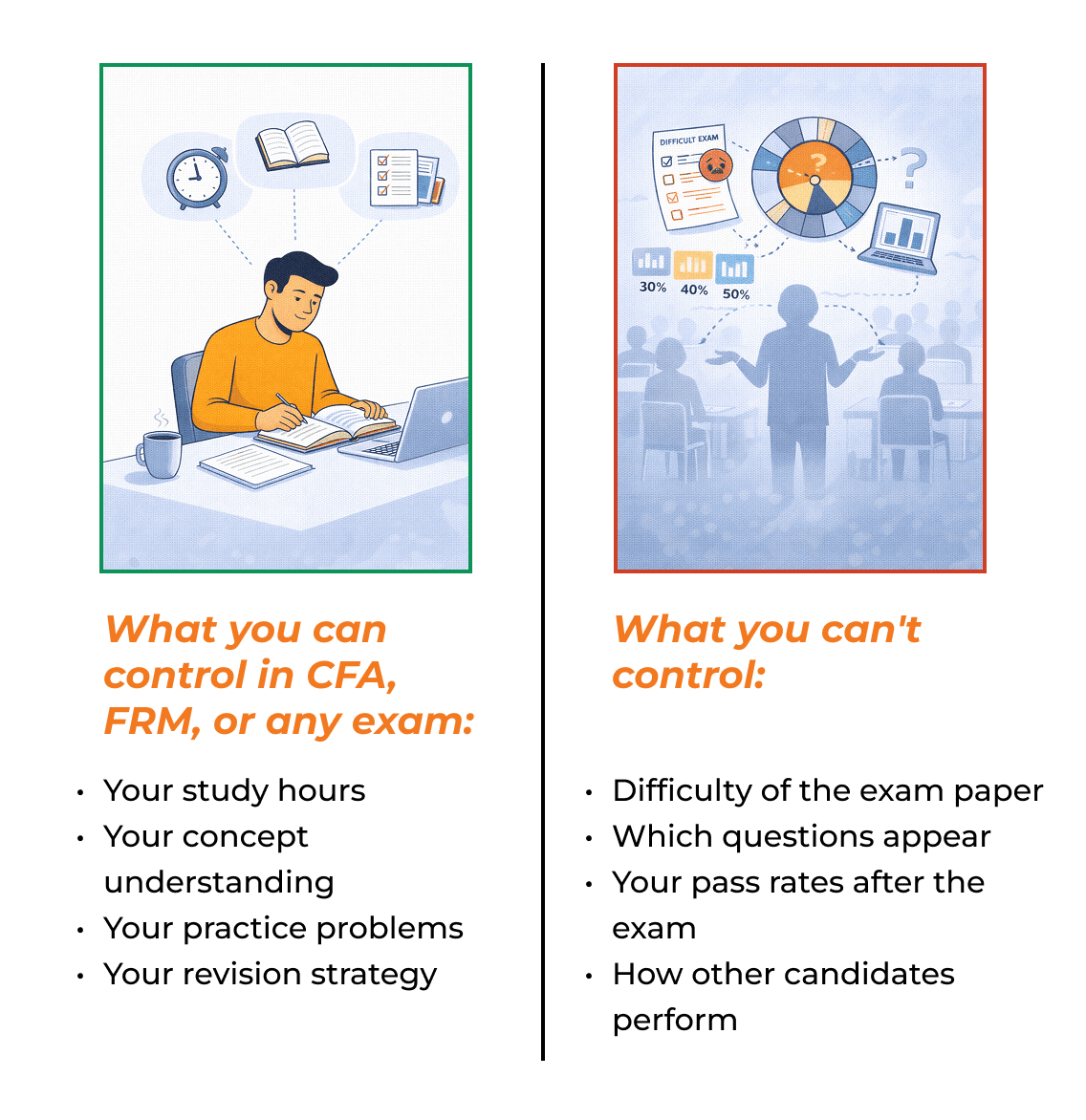
My own parents never pressured me about marks. They emphasized doing your best. Whatever the result, they were fine with it as long as I'd genuinely done my best.
I thought they were just being nice parents. Turns out, that's the highest-performing mindset. Focus on controllable inputs, not uncontrollable outcomes.
I have an image in my office cabin of the shloka Karmanye Vadhikaraste. You have a right to perform your prescribed duty, but you are not entitled to the fruits of your action. That's what my parents were teaching me without calling it by the Sanskrit name.
Obsessing over results creates anxiety that hurts performance. My parents accidentally taught me what sports psychologists call process-oriented thinking. Focus on the process you control, let outcomes follow.
The Fixed Deposit Analogy My Mom Used

My mother compared studying to making a fixed deposit. You invest time and effort now, it compounds over the years, and you get returns for your entire life.
She probably meant it as a simple analogy. But she was teaching me compound interest applied to knowledge.
How knowledge compounds:
The hours I spent understanding concepts deeply in my 20s are still paying returns today. I teach faster, connect ideas better, and solve student doubts more effectively because that knowledge base compounds every year.
Every time you learn something properly, you're making a deposit. Every time you half-learn to pass an exam, you're making a wrong investment, not building actual knowledge assets.
Most students don't realize they haven't become a valuable asset themselves. They generate poor returns in the future, meaning they earn less because the foundation wasn't built properly.
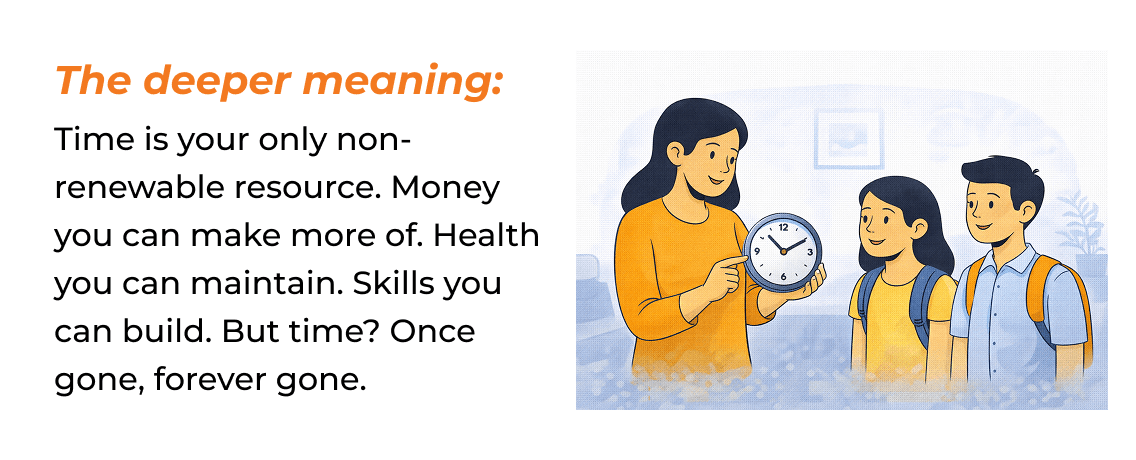
"Samay Ka Value Samjho" - Understand the Value of Time

Your parents say this when you're wasting time scrolling or gaming. That's surface meaning.
I apply this now in choosing what to work on. Every hour I spend on something is an hour I can't spend on something else. It makes me ruthless about saying no to things that don't deserve my time.
Your parents are teaching you about opportunity cost before you know the term.
The Bottom Line
Your parents are giving you advice from lived experience. They did some things right, some things wrong, trying to pass on what worked.
The packaging might be outdated. The examples might not apply to crypto. But the principles often hold. Timeless principles every generation rediscovers.
Listen to your parents. Not blindly, but intelligently.
Extract the principle, update the application, and apply it to your context. That's not following outdated advice. That's learning from free wisdom that took them decades to acquire.
Until next week,
Aswini Bajaj